Juan Lopez

I study behavior. I design with people in mind.

Behavior research, thoughtful design, and digital systems built around people.

  • Behavior research
  • Digital experiences
  • Data & context
Juan Lopez standing beside a quiet, misty mountain lake.
Observe. Understand. Build.

Research spotlight

AI (Mis)attribution

Do people judge the same interaction differently when they believe it was written by artificial intelligence?

In our online study, participants rated a conversation as more natural when they believed both speakers were human than when they believed one was AI. Every condition used the same transcript.

  • Sample N = 123
  • Conditions Three
  • Term Fall 2025
  • Qualtrics
  • IBM SPSS
One shared transcript

The same conversation in every condition

  1. H–HHuman–HumanBoth speakers labeled human
  2. H–AIHuman–AIOne speaker labeled AI
  3. AI–AIAI–AIBoth speakers labeled AI
Study structure: the transcript stayed the same while the speaker labels changed. This diagram shows the conditions, not numerical results.

Behavior analysis

Data revealspatterns. Care gives them purpose.

Data helps me understand behavior. Care helps me decide what to build.

Observe carefully. Define clearly. Respect the person behind every decision.

  1. Observe
  2. Define
  3. Measure
  4. Analyze
  5. Test
  6. Refine

Patterns become useful when they lead to thoughtful action.

ABA-INFORMED DESIGN PATHWAY

From observation to useful change.

Behavioral ideas are translated into everyday design decisions. Technical terms appear only where they add precision.

  1. STIMULUS SALIENCE AND ATTENDING

    Make What Matters Easy to Notice

    Visual hierarchy, contrast, and placement make task-relevant information easier to distinguish from supporting detail. The most useful next action should stand out without competing unnecessarily for attention.

    Design implication: prioritize the next useful action, then layer in supporting detail.

    BEHAVIOR · RESEARCH · DESIGN

    Data reveals patterns.
    Care gives them purpose.

    Explore my work
    Example 01One clear next action
  2. DISCRIMINATIVE STIMULI

    Use Clear Cues for Action

    Labels, controls, and interface states should signal which actions are available and which are likely to work. Consistent cues reduce guesswork and help people move through a system with greater confidence.

    Design implication: use stable labels, recognizable controls, and predictable states.

    All work (selected)CommerceResearch
    Example 02A recognizable selected state
  3. TASK ANALYSIS, PROMPTING, AND FADING

    Support Progress in Manageable Steps

    Complex tasks become more approachable when they are divided into meaningful steps and supported at the moment help is needed. That assistance should gradually recede as the person becomes more capable of completing the task independently.

    Design implication: sequence difficult tasks, provide timely guidance, and fade support when it is no longer needed.

    1. Project
    2. Details (current step)
    3. Review

    Optional help
    Add the context that matters to your project.

    Example 03Interaction studyHelp at the relevant step
  4. CONSEQUENCES AND REINFORCEMENT

    Make Outcomes Clear and Consistent

    Immediate, accurate feedback helps people determine whether an action worked. A consequence functions as reinforcement only when it makes the behavior it follows more likely to occur again.

    Design implication: confirm outcomes, preserve progress, and make effective actions easy to repeat.

    Message sent

    Return to portfolio
    Example 04Interaction studyA clear completion state
  5. SOCIAL VALIDITY AND DATA-BASED DECISIONS

    Measure Meaningful Outcomes

    A useful system should be evaluated by outcomes that matter to the people using it. Measure whether important tasks become more successful, efficient, or independent, identify barriers, and revise the environment when results fall short.

    Design implication: define observable success with users and let the results guide refinement.

    Goal
    Find a relevant project.
    Observe
    Task completion and barriers.
    Ask
    Was the process useful?
    Example 05Evaluation planSuccess defined with users

Read the approach and research notes

Selected work

Different systems. One careful foundation.

Research, client services, commerce, and data work shaped around the real decisions people need to make.

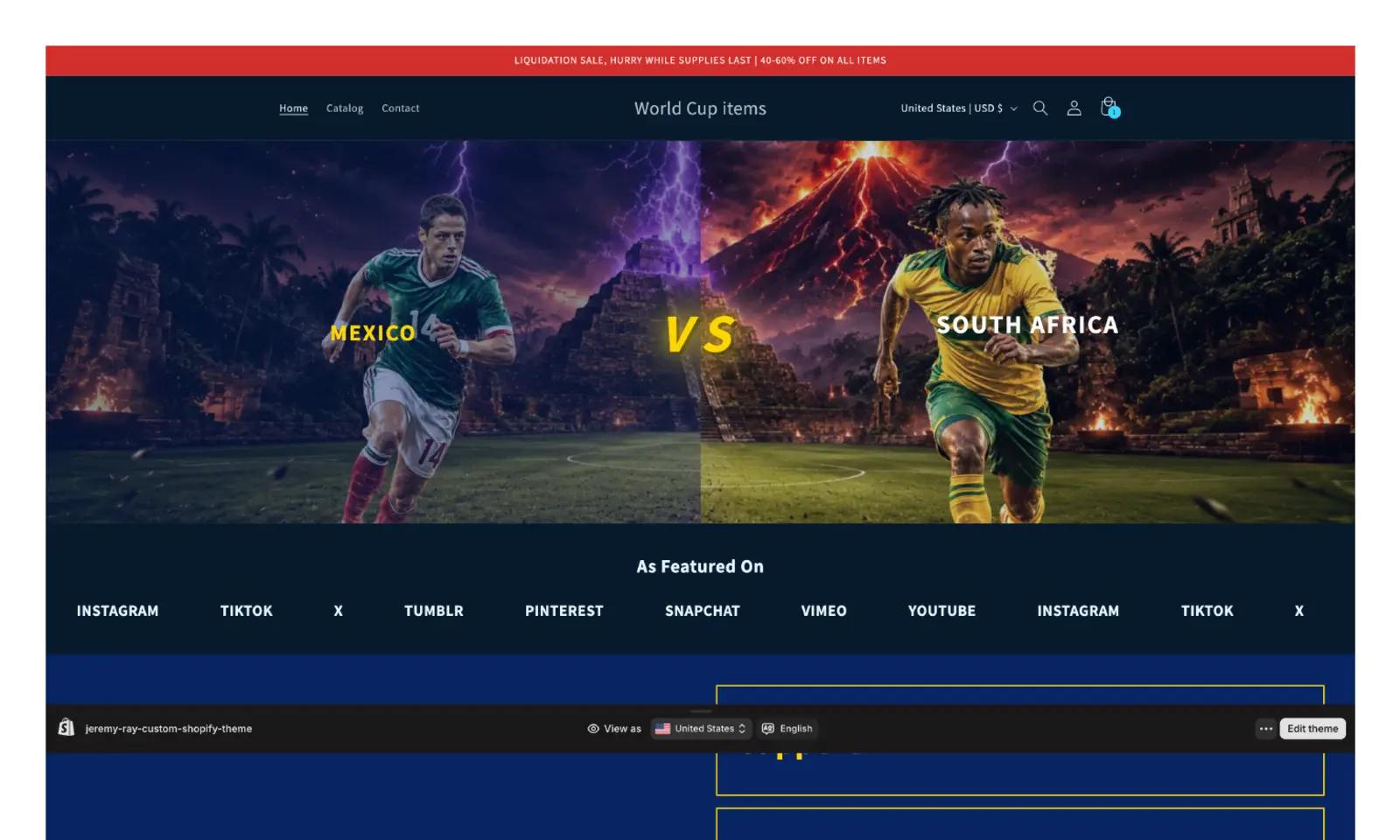
World Cup Items storefront with international fan merchandise and country-based shopping

World Cup Items

Commerce Independent commerce project

A seasonal international storefront organized around country pride and match-day rituals.

View case study: World Cup Items
Diagram of one transcript evaluated under three different origin labels

AI Misattribution

Research Academic research

An online experiment testing whether labels about AI involvement change judgments of the same interaction.

View case study: AI Misattribution
SIS Florida homepage showing installed green turf and sod service information

SIS Florida

Client systems Live client project

A product-education and inquiry website for residential and commercial sod customers.

View case study: SIS Florida

Project ecosystem

One industry ecosystem. Three different digital problems.

About Juan

Behavior analysis comes first.

My background in behavior analysis shapes how I approach every project. I look at what people need and where a system creates unnecessary friction. I begin with the same principles: observe carefully, define clearly, respect individual differences, and keep the person in view.

I build client websites with SitePad and WordPress, develop Shopify themes, and use Astro for focused, lightweight websites. Across research, design, commerce, and data work, my goal is to make experiences clear, useful, and responsive to the people who use them.

  • SitePad
  • WordPress
  • Shopify
  • Astro
  • Qualtrics
  • IBM SPSS
Juan writing in a notebook.

A thoughtful next step

Build something people can understand and trust.

Start a conversation